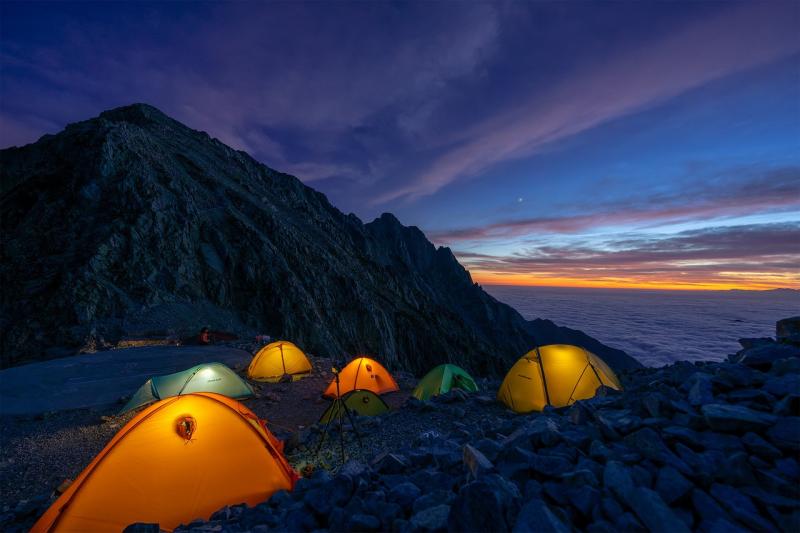
Choosing the right camping destination is one of the most important steps in preparing for an outdoor adventure. Start by considering the type of experience you want. Are you looking for a serene escape in a national park or a fun-filled weekend at a family-friendly campground? Knowing your preferences helps narrow down your options.
Once you have a general idea, consider the location's accessibility and amenities. If you're a beginner camper, opt for sites with established facilities like restrooms, picnic tables, and fire pits. For the more adventurous, look for remote locations that challenge your skills and offer a chance to connect with nature away from the crowds.
Research the weather conditions and seasonality for your chosen destination. Some campsites are perfect during summer, while others are more enjoyable in fall or spring. Be sure to check for any seasonal restrictions or closures, as some parks may limit access to protect wildlife or the environment.
Lastly, don’t forget to consider the activities available at your destination. Whether it’s hiking, fishing, swimming, or bird watching, make sure there are plenty of options to keep everyone entertained. Planning ahead ensures that everyone in your group will have a memorable and enjoyable camping experience.
Pack Smart and Efficient
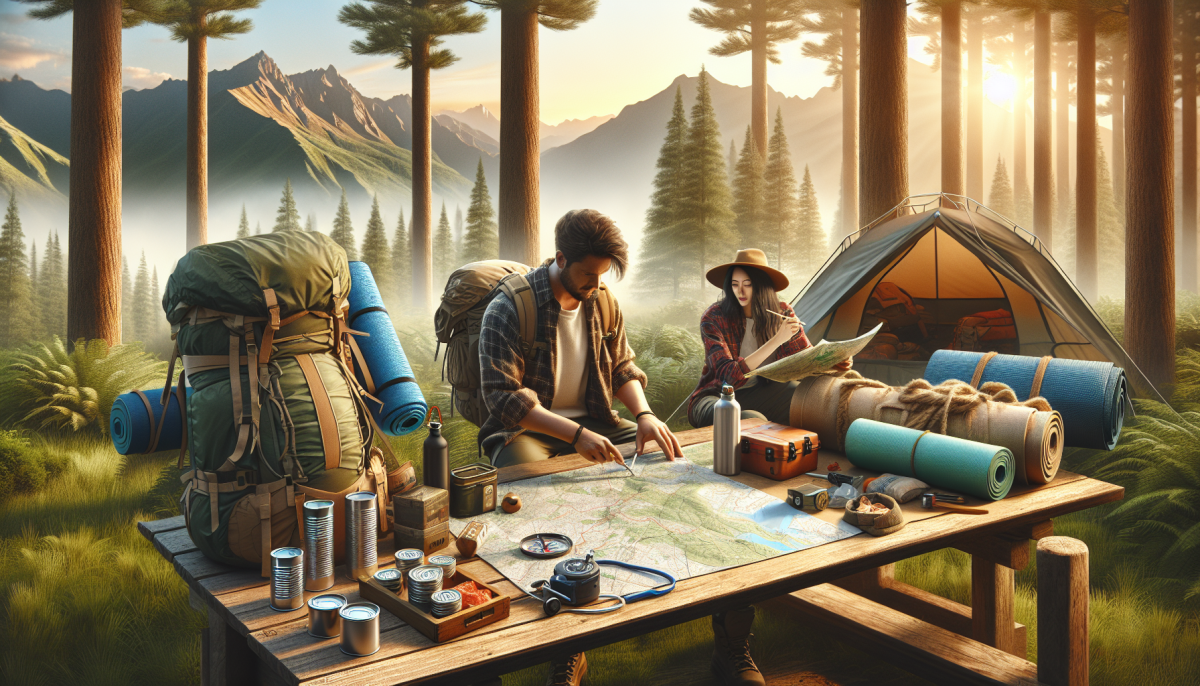
When it comes to outdoor camping, packing smart and efficient is essential for a successful trip. Start by making a detailed checklist of all the items you’ll need. This will help you avoid forgotten essentials and prevent overpacking. Include items such as a tent, sleeping gear, cooking equipment, food, clothing, and personal items. Organize your list by categories to make sure you don’t miss anything important.
Once you have your checklist, focus on choosing the right gear. Opt for lightweight and multi-functional items whenever possible. For instance, a cooking pot that doubles as a bowl can save space in your pack. Consider using compression bags for your sleeping bag and clothing to minimize their size. Remember, the goal is to keep your pack light, so prioritize quality over quantity.
Packing your gear efficiently can make a world of difference. Start by placing heavier items like your tent and cooking gear at the bottom of your backpack. Keep lighter items, such as clothes, near the top for easy access. Use the spaces between your larger gear to fill in with smaller items. This not only helps with organization but also keeps your center of gravity low, making your pack easier to carry.
Lastly, don’t forget to pack a small daypack for your daytime hikes. This allows you to carry essentials like water, snacks, and a first aid kit without lugging around your entire backpack. By packing smart and efficient, you’ll have everything you need for your camping adventure while still being able to enjoy the great outdoors without feeling weighed down.
Check Your Camping Gear
Next, inspect the condition of your gear. For example, check your tent for any rips or holes, and make sure all poles are intact and easy to assemble. It's also a good idea to test your camping stove or portable grill to ensure it's functioning properly. Don't forget to pack extra fuel, lighters, or matches, just in case. A quick gear check can help you avoid surprises out in the wilderness.
Finally, consider the weather conditions for your camping trip. Make sure you have appropriate clothing and gear to keep you comfortable and safe. This may include waterproof jackets, thermal layers, and sturdy hiking boots. Always pack a first aid kit with essentials like band-aids, antiseptic wipes, and any personal medications you may need. Being prepared with the right equipment will help you focus on enjoying your outdoor experience.
Stay Safe and Comfortable
When heading out for a camping trip, safety and comfort should be at the top of your list. First and foremost, ensure you have the right gear. This includes a reliable tent, a sturdy sleeping bag, and a comfortable sleeping pad. Choosing equipment that suits the weather conditions is crucial. If temperatures drop at night, a sleeping bag rated for colder temperatures will keep you snug. Don’t forget a flashlight or headlamp for navigating after sunset!
Staying safe also means being prepared for emergencies. Always pack a first aid kit stocked with band-aids, antiseptic wipes, and any personal medications you may need. It’s wise to familiarize yourself with basic first aid procedures before your trip. Additionally, bringing along a map and compass, or a GPS device, can help you find your way if cell service fails. Be sure to share your itinerary with a friend or family member who isn’t going, so someone knows where you’ve planned to be.
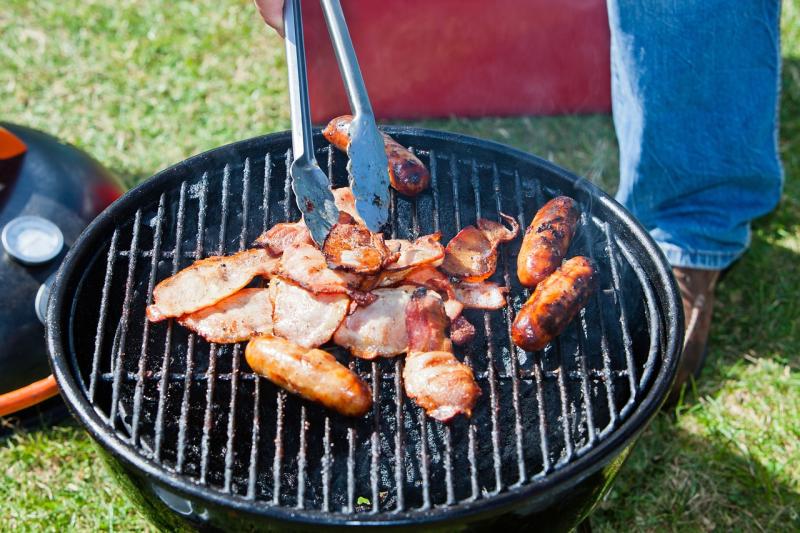
Your comfort doesn’t just hinge on your gear; it also involves staying well-nourished and hydrated. Pack easy-to-cook meals and plenty of water. A portable stove or camping grill can make meal prep enjoyable. Opt for foods that are lightweight but nutritious, such as nuts, dried fruits, and energy bars. Remember to include a reusable water bottle or hydration reservoir to ensure you can easily replenish your fluids throughout the day.
Lastly, don’t underestimate the power of appropriate clothing. Check the weather forecast before you leave and pack layers that can be added or removed as temperatures fluctuate. Waterproof jackets and sturdy hiking boots are essential to stay dry and comfortable. Consider moisture-wicking fabrics to help keep you cool on warm days. By preparing for both safety and comfort, you’ll ensure a memorable and enjoyable camping experience.